

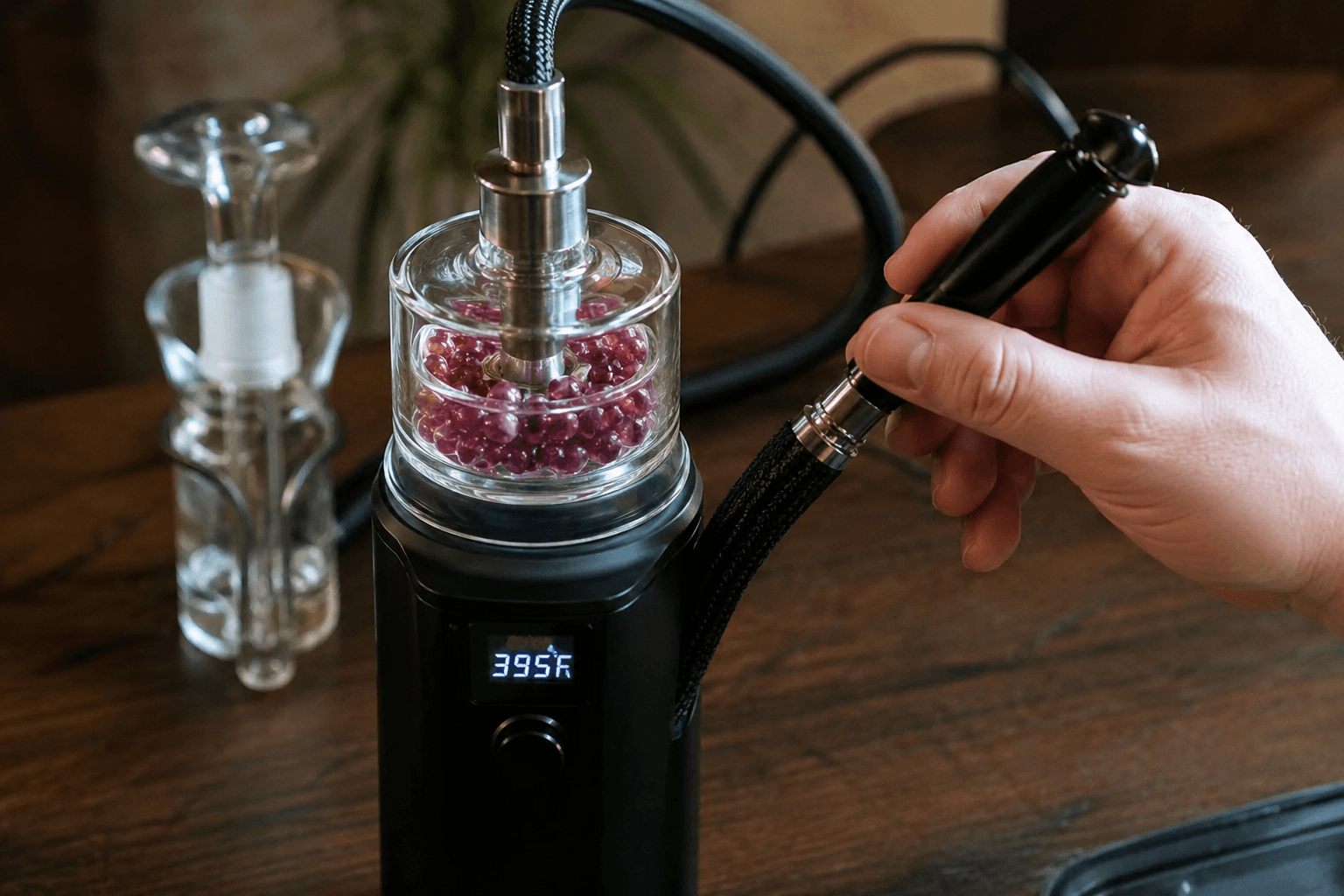
A ball vape is a type of dry herb vaporizer that uses a heating chamber filled with small thermal balls instead of a standard coil. These balls, usually made from ruby, sapphire, quartz, or ceramic, absorb and hold heat, then release it evenly as air passes through the chamber. This convection-based design allows the device to produce thicker, more consistent vapor along with richer flavor compared to traditional coil-based vaporizers, since the heat surrounds the herb rather than sitting directly against it. In simple terms, a ball vape is a modern, more refined take on vaporizer technology, built around the idea that better heat distribution leads to a smoother and more satisfying session overall.
Understanding the Basics of a Ball Vape
A ball vape is a type of dry herb vaporizer that uses a heating chamber filled with small, dense spheres instead of a standard coil or heating plate. These spheres, often called thermal balls, are usually made from materials like ruby, sapphire, quartz, or ceramic. Their job is to absorb heat and hold onto it, then release that heat evenly when air passes through them.
Unlike simpler vaporizers that heat material directly against a metal surface, a ball vape relies on convection. This means hot air does the work of extracting flavor and vapor from the herb, rather than the herb sitting directly on a heated element. The result is a smoother, more even vaping experience with less risk of scorching the material.
How a Ball Vape Works
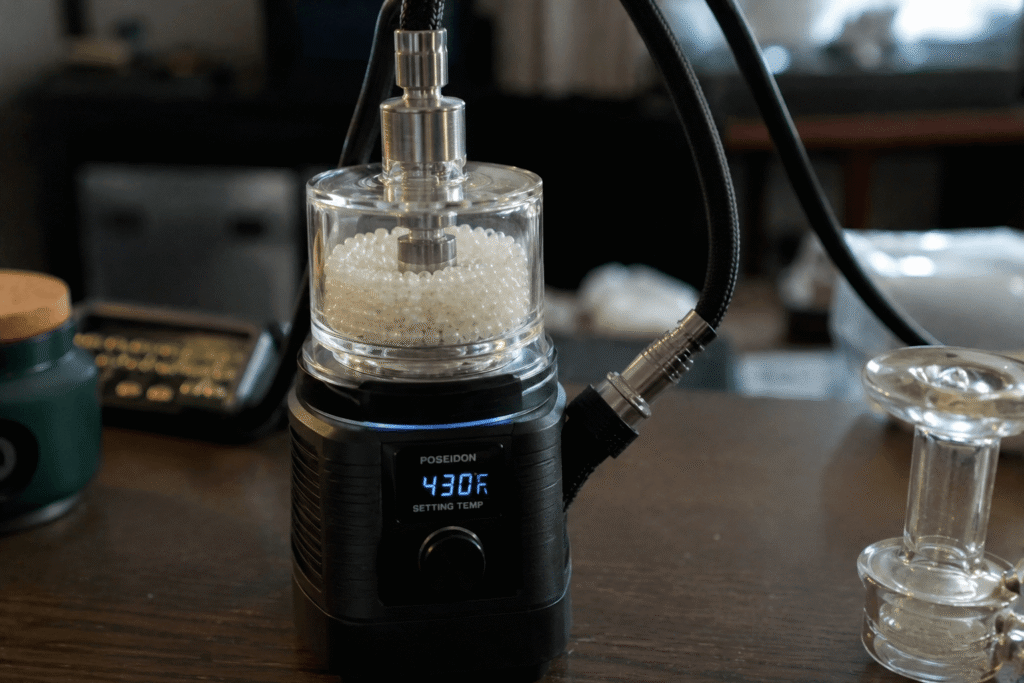
The mechanics behind a ball vape are fairly straightforward once you break them down. An electric coil sits around or beneath the chamber that holds the thermal balls. When the device is switched on, this coil heats the balls to a set temperature. Because there are often hundreds of these tiny spheres packed together, they create a huge amount of surface area for heat to spread across.
When a person inhales, air is pulled through the chamber and passes between the heated balls before reaching the herb. This creates a fast, concentrated stream of hot air that vaporizes the material almost instantly. That is part of the reason ball vapes are known for producing thick, dense vapor in a short amount of time compared to many portable vaporizers.
The Origin and Rise of Ball Vape Technology
Ball vapes did not start out as a mainstream product. The concept grew out of a small community of vaporizer hobbyists who were experimenting with ways to improve heat retention and airflow in homemade devices. Early versions were often built from spare parts, with users testing different ball materials and chamber designs to see what produced the best results.
Over time, as more people shared their builds and experiences online, manufacturers began to notice the demand. What was once a niche, DIY-style project slowly turned into a recognized category of desktop vaporizer, with dedicated brands now producing polished, ready-to-use kits based on the same core idea.
What Makes Ball Vapes Different from Traditional Vaporizers
Most portable vaporizers rely on a small heating chamber where the herb sits close to, or directly touches, a heated surface. This works fine for casual use, but it can lead to uneven heating, with some material vaporizing quickly while other parts barely heat up at all.
A ball vape takes a different approach. Because the thermal balls surround the airflow path rather than the herb itself, heat is distributed more evenly across every hit. This tends to result in more consistent vapor production from the first draw to the last, along with a fuller flavor profile since the material is not being scorched by direct contact with a hot surface.
The Materials Used Inside a Ball Vape
The type of material used for the thermal balls plays a big role in how a ball vape performs. Ruby and sapphire are popular choices because they hold heat exceptionally well and do not react with the material being vaporized, which helps preserve flavor. Quartz is another common option, valued for its purity and heat resistance. Ceramic balls are also used in some models, often as a more affordable alternative that still performs well.
The number of balls packed into the chamber matters too. Devices with a higher ball count generally offer more surface area, which can mean faster heating and denser vapor, though it also affects the overall size and cost of the unit.
Why Vapor Quality Improves with a Ball Vape
One of the main reasons people are drawn to this style of vaporizer is the quality of the vapor itself. Because the airflow passes through so many heated points at once, the vapor tends to come out thicker and more flavorful than what you would get from a standard coil-based device. Many users describe the sensation as closer to a concentrated, full-bodied hit rather than a thin, diluted one.
This does not just come down to the balls themselves. The overall chamber design, airflow path, and temperature settings all work together to shape the final result. A well-built ball vape balances all of these elements so that vapor production stays smooth and consistent throughout a session.
Portable vs Desktop Ball Vapes
Most ball vapes on the market today are desktop units, meaning they are meant to sit on a table or stand rather than travel in a pocket. This is partly because the design requires more space for the chamber, coil, and often a power supply or battery pack to run everything efficiently.
That said, some manufacturers have started producing more compact, semi-portable versions that trade a bit of power for convenience. These smaller units still use the same ball-based heating concept but are built into a more travel-friendly housing. Choosing between a desktop and portable option usually comes down to whether you plan to use the device mostly at home or want something you can bring along.
Temperature Control and Consistency
Precise temperature control is one of the standout features of many ball vapes. Because the thermal balls hold heat so effectively, they tend to maintain a more stable temperature throughout a session compared to simpler heating elements that can fluctuate quickly.
Many higher-end models include digital temperature controllers, sometimes referred to as PID controllers, which let users dial in an exact setting and keep it steady. This level of control matters because even small temperature changes can affect flavor, vapor density, and overall efficiency.
Who Uses Ball Vapes and Why
Ball vapes tend to appeal most to experienced vaporizer users who already understand the basics of dry herb vaping and are looking for a more refined experience. Because these devices require a bit more setup and understanding of temperature settings than a simple pen-style vaporizer, they are less common as a first device for beginners.
That said, the growing popularity of ball vapes has led to more user-friendly kits designed with simpler controls, making the technology more accessible to people who are curious but do not want to deal with a complicated setup process.
Things to Consider Before Choosing a Ball Vape
Before buying a ball vape, it helps to think about a few practical factors. The material and number of balls in the chamber will affect performance, so it is worth comparing ruby, sapphire, quartz, and ceramic options based on your budget and preferences. Temperature control features are also important, especially if you want consistent results session after session.
Size and portability matter as well. If you plan to keep the device in one place, a larger desktop unit with more power may suit you better. If you want something you can move around occasionally, look for a more compact model. Finally, consider the reputation and build quality of the brand, since these devices often involve more moving parts and components than simpler vaporizers.
Maintenance and Care for a Ball Vape
Like any vaporizer, a ball vape needs regular cleaning to keep performing well. Residue can build up on the thermal balls and chamber walls over time, which may affect both flavor and heating efficiency. Most manufacturers recommend periodic cleaning with isopropyl alcohol and allowing all parts to dry fully before reassembling the device.
Because the chamber contains many small parts, cleaning a ball vape can take a little more time than wiping down a simple pen vaporizer. However, many users find that the improved flavor and vapor quality make the extra maintenance worthwhile.
Common Misconceptions About Ball Vapes
There are a few misunderstandings that often come up when people first learn what a ball vape is. One common assumption is that these devices are overly complicated or only suitable for advanced hobbyists. While early versions were often DIY projects, many modern kits are designed with straightforward controls that make them approachable for a wider range of users.
Another misconception is that bigger always means better. While a higher ball count can increase vapor density, factors like chamber design, airflow, and temperature stability play just as important a role in overall performance.
Legal and Safety Considerations
Since ball vapes are primarily designed for dry herb material, it is important to be aware of local laws regarding what can legally be vaporized in your area. Regulations vary widely from one region to another, so checking local guidelines before purchasing or using this type of device is a sensible first step. As with any heating device, following the manufacturer’s instructions for setup, use, and maintenance also helps ensure safe operation.
Final Thoughts on What Is a Ball Vape
At its core, understanding what is a ball vape comes down to recognizing how thermal balls and convection heating work together to create a denser, more consistent vaping experience. The technology started as a small, community-driven experiment and has since grown into a respected category within the vaporizer world, valued for its flavor, vapor density, and temperature stability.
Whether you are simply curious about the technology or considering an upgrade from a traditional vaporizer, knowing how these devices work can help you make a more informed decision about whether a ball vape is the right fit for you.
Frequently Asked Questions
Is a ball vape difficult to use for beginners?
It can have a slightly steeper learning curve than simple pen-style vaporizers, but many modern kits include simplified controls that make the process much easier to pick up.
What materials are commonly used for the thermal balls?
Ruby, sapphire, quartz, and ceramic are the most common choices, each offering a slightly different balance of heat retention, durability, and cost.
Are ball vapes portable?
Most are designed as desktop units, though some manufacturers now offer smaller, semi-portable versions that use the same heating concept.
How often does a ball vape need to be cleaned?
Regular cleaning is recommended to maintain flavor and performance, with many users cleaning the chamber and balls every few sessions depending on frequency of use.
Does a higher ball count always mean better performance?
Not necessarily. While more balls can increase surface area and vapor density, chamber design and temperature control also play a major role in overall quality.
Why do people prefer ball vapes over traditional vaporizers?
Many users find that the even heat distribution and convection-based design produce denser vapor and richer flavor compared to standard coil-based devices.
